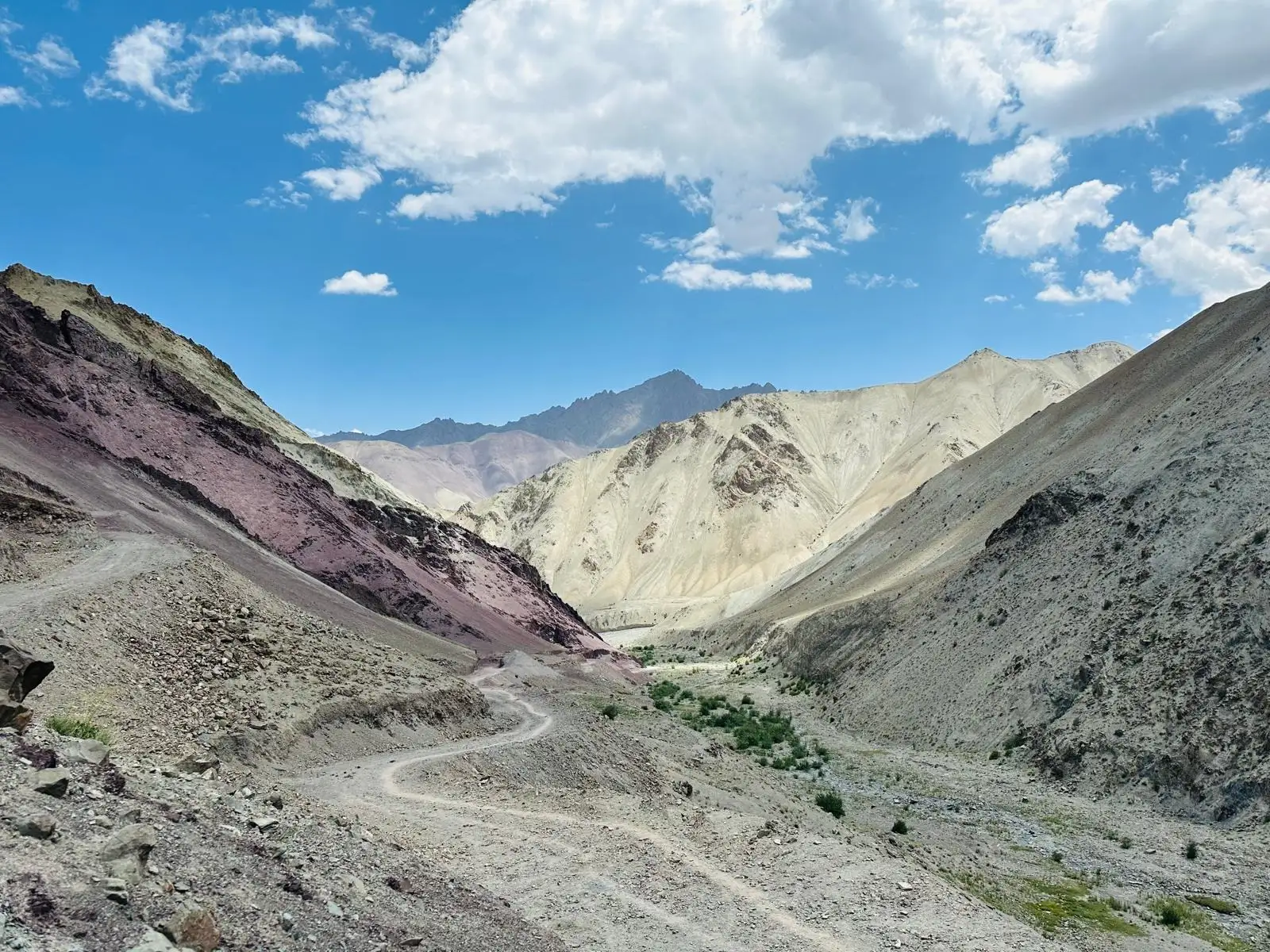
Days of acclimatising in Leh, an icy river crossing and a UV index of 13, and why turning back at 14,550 feet still counted as a personal best.
For years, Ladakh has been at the top of my list of places to climb in. The remarkable landscapes and views are among some of the significant reasons to visit this region. My recent climb to Ganda La one of Ladakh’s iconic mountain passes, was an experience that exceeded even my high expectations.
Situated in the heart of Ladakh, Ganda La is a mountain pass that offers a unique climbing experience, unlike most others. At an elevation of approximately 11,800 feet, this route offers a structured and demanding climbing experience through the Indian Himalayan region.
The journey to Ganda La, however, began much earlier. Before our climb, my Dad and I spent several days in Leh, the capital of Ladakh to acclimatize to the region’s high altitude. Acclimatization is crucial — spending a few days in Leh helped our bodies adjust to the thin mountain air. We wandered through the narrow streets of the city, allowing our bodies to slowly adapt to the 11,500-foot elevation.
However, looking back now, I’m not sure we were ever fully adjusted to the altitude. A mix of factors (which I will break down later) made acclimatization more challenging than expected.
I knew from the start this wasn’t going to be an easy climb. The altitude makes everything feel harder, from walking uphill to just catching your breath. Our trek began at around 6 AM in the quiet village of Rumbak. Before we hit the trail, we were confronted with our first significant challenge: a swift, ice-cold river cutting across our path.
We had to take a careful approach — removing our boots and socks, steeling ourselves for the bone-chilling water. Keeping them on would have left us with soaked footwear for the rest of the trek. Wet boots in these conditions aren’t just uncomfortable; they can lead to blisters and make hiking treacherous on the uneven, rocky terrain ahead.
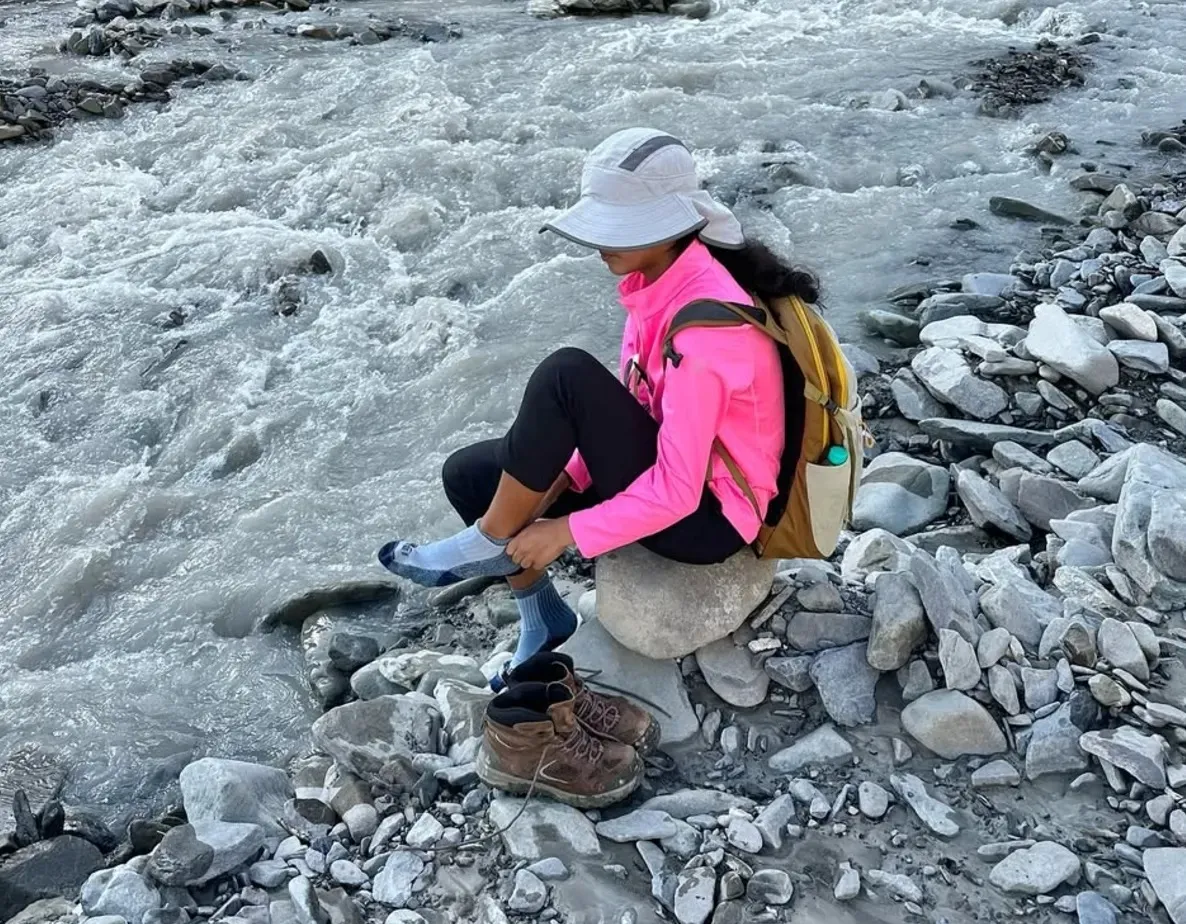
We stepped in carefully, and I remember feeling the cold immediately send pins and needles racing up my legs. My father, with years of mountaineering experience, helped me cross through the river. While it only took a minute or two, it felt like hours.
The sun was just beginning to peek over the mountain ridges as we completed our river crossing, our feet numb. As we began the climb, it grew steeper and steeper. The terrain was rugged and challenging, featuring steep ascents, rocky paths, and loose gravel. All in all, the trail was quite demanding, requiring both physical stamina and mental resilience.
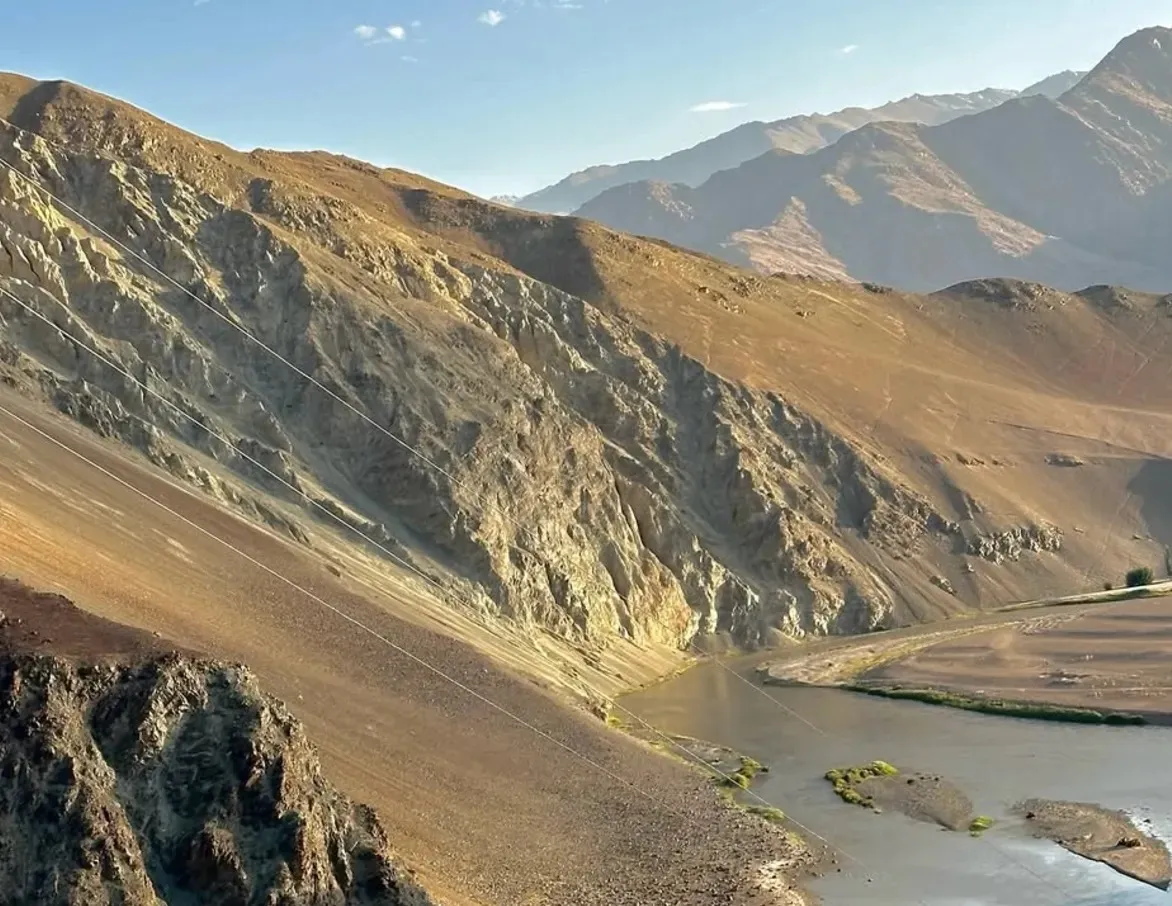 Below, you can see the river we had to cross in order to get to the official beginning of the trail.
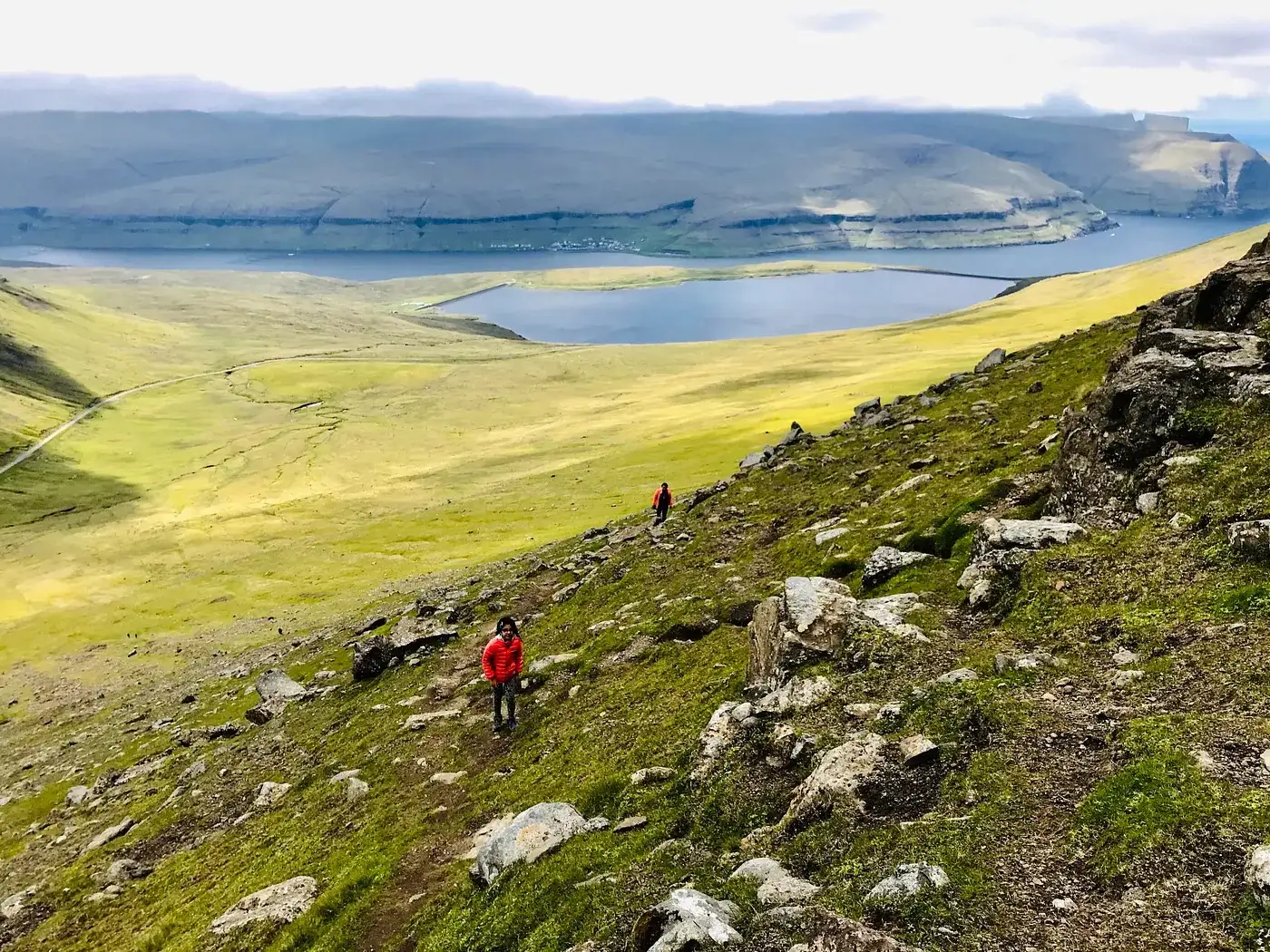
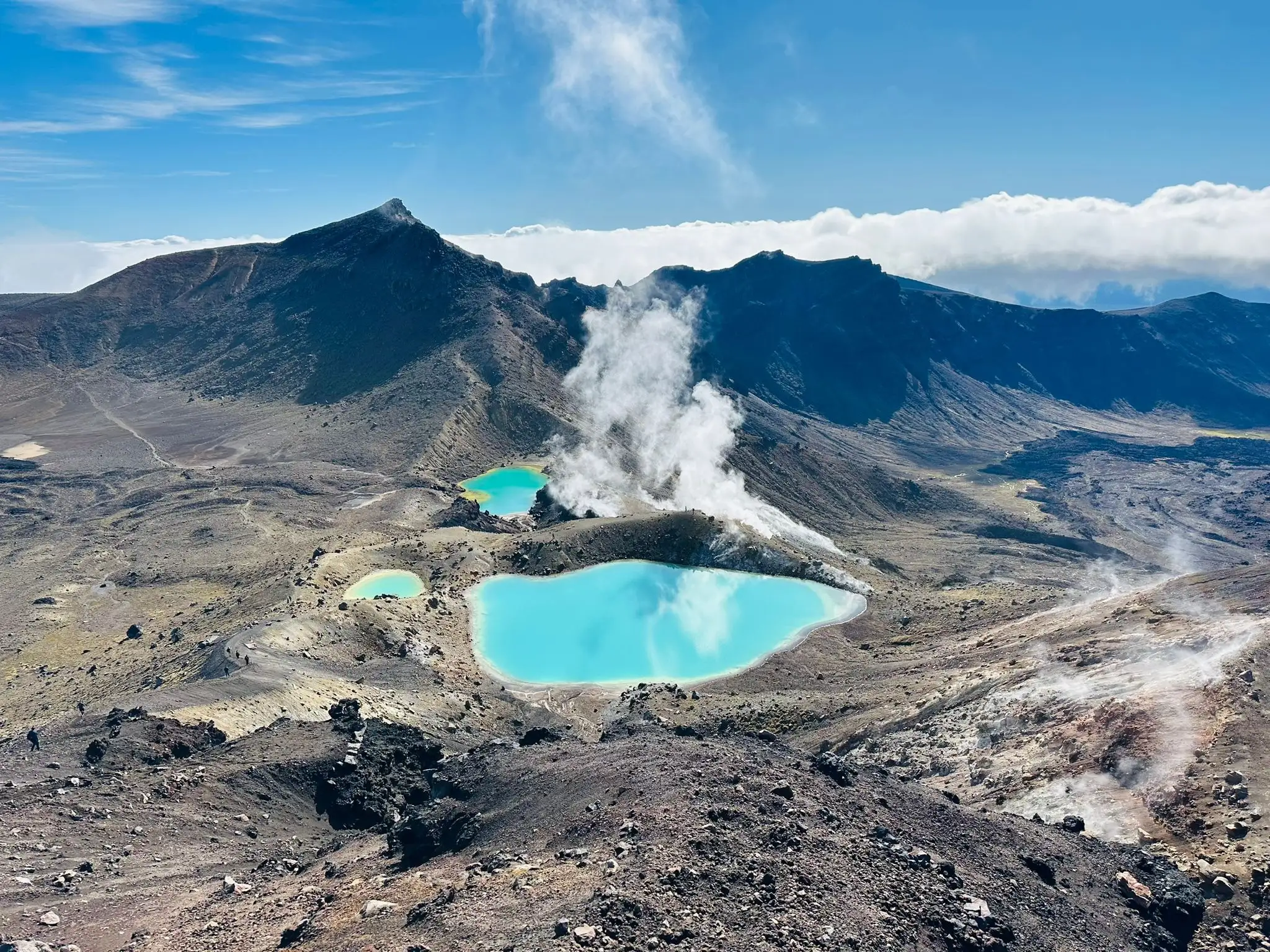
However, the scenery was exactly what I had hoped for — red, dry, rocky landscapes surrounded by towering mountains, with pops of green from fields and shrubs. We even passed locals herding sheep and yaks.
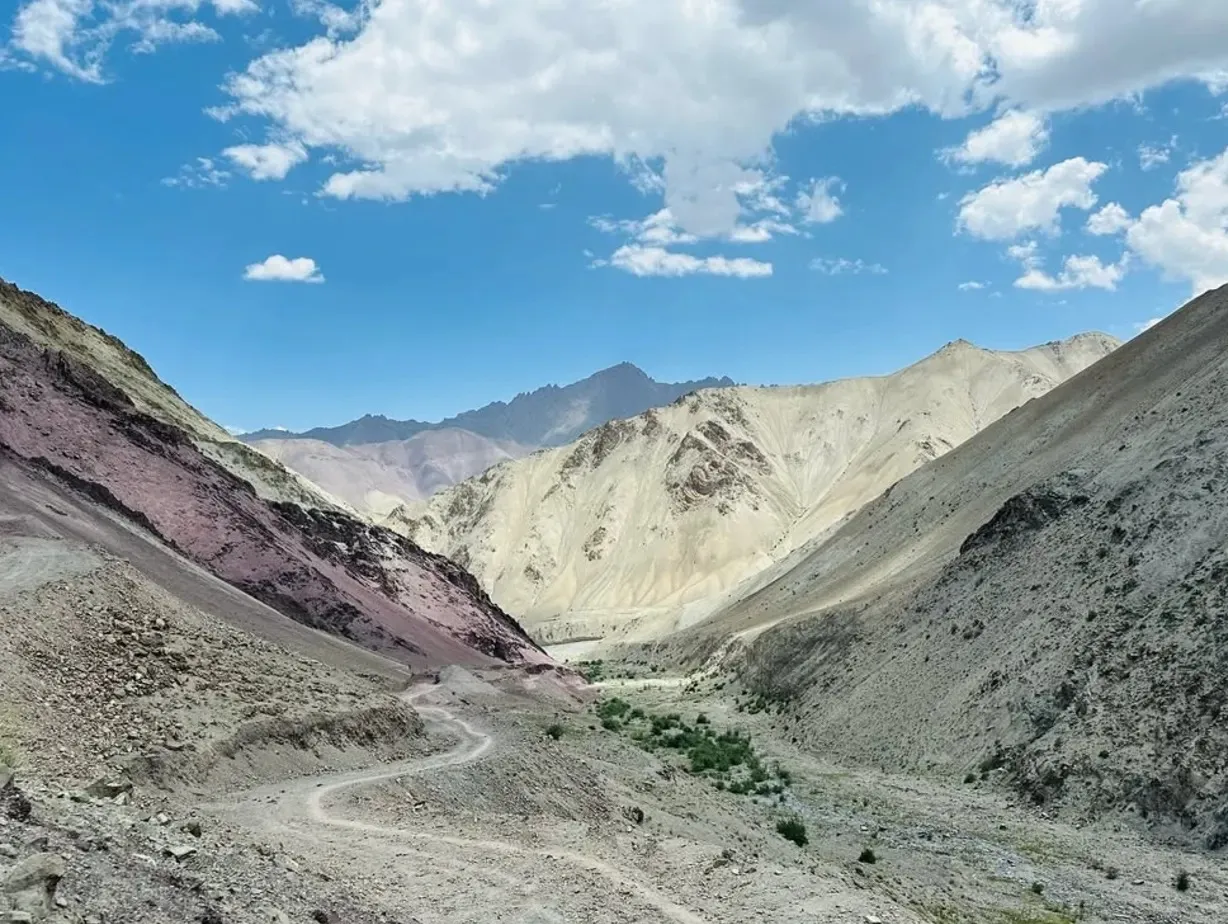 Here, you can see some of the terrain of Ganda La.
The village of Rumbak quickly disappeared from sight and was replaced by a vast expanse of valleys and ridges. The air was thinner now. However, as challenging as the altitude was, another element soon added to the difficulty: the sun.
In Ladakh, the UV index is no joke. During our climb, it hovered around 13 or 14 — well into the “extreme” category. For context, a UV index of 8 is considered high, and prolonged exposure at that level can cause skin damage within 15 minutes. At 13–14, the risk is almost immediate. Studies suggest that skin damage and even DNA-level harm can begin in under five minutes at these levels. I was painfully aware of this throughout the climb, especially because it made it much more difficult than expected.
When we set out, my goal was ambitious: to reach 15,000 feet, which was an elevation I’d never even come close to before. However, with every passing minute, it became increasingly clear that this wasn’t going to happen. The air was dry, the altitude was rising, and the sun was relentless. All in all, the circumstances just weren’t in my favor. I could feel my energy draining faster than expected, and my body wasn’t responding the way I had hoped.
Despite this, I wasn’t ready to give up entirely. I decided to focus on a new goal: simply achieving my personal best. I have learned over the years that it is extremely important to listen to your body, especially in extreme conditions like these. My shift in mindset definitely helped me make the most of the experience and made it less about reaching a specific endpoint.
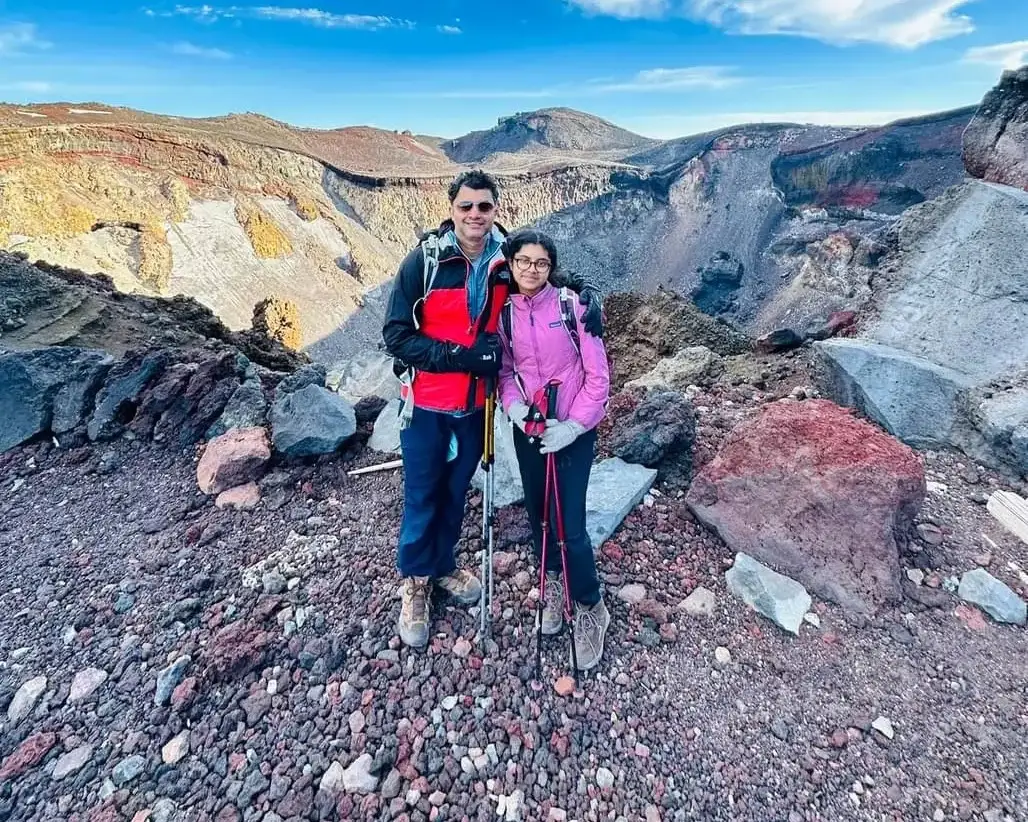
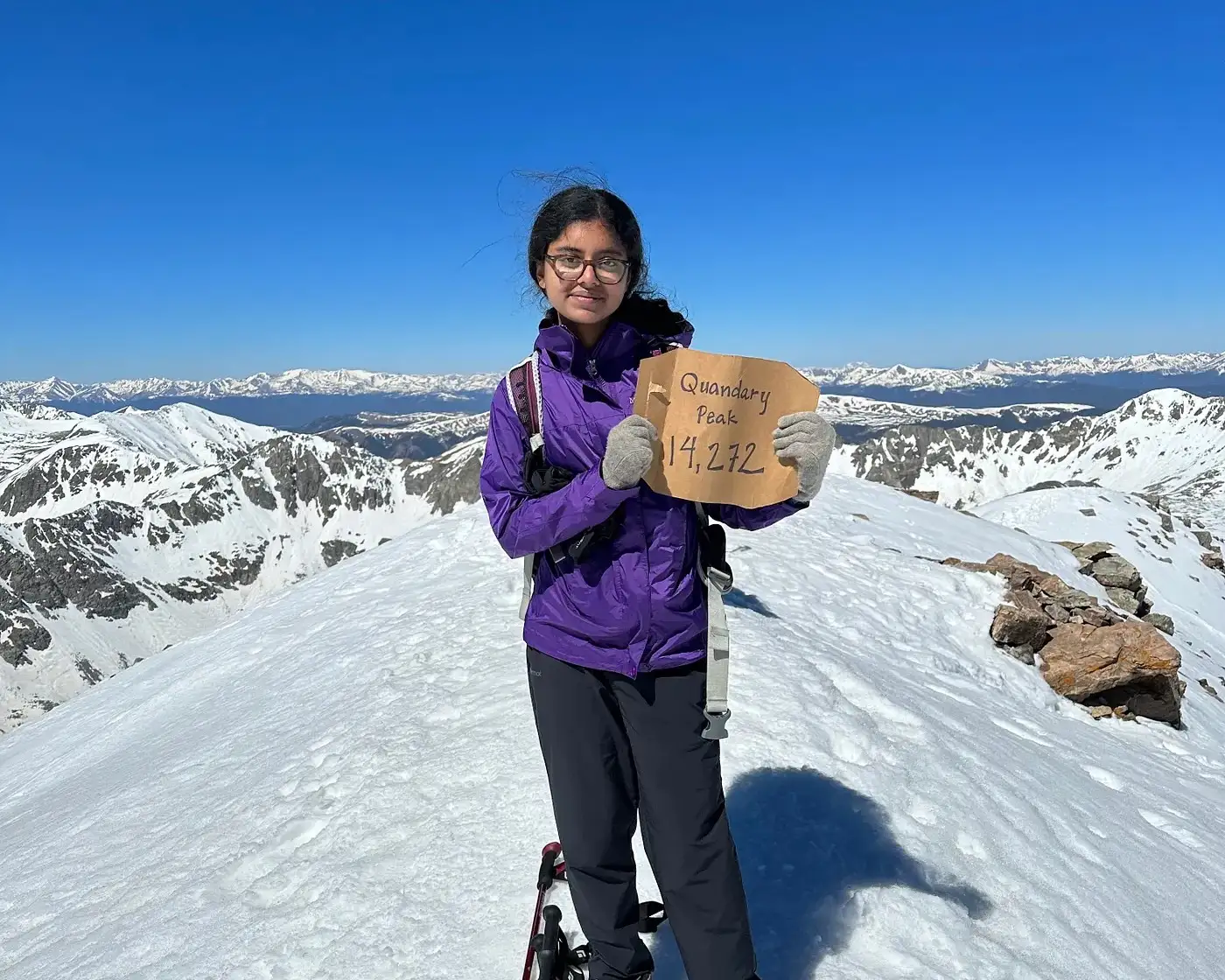
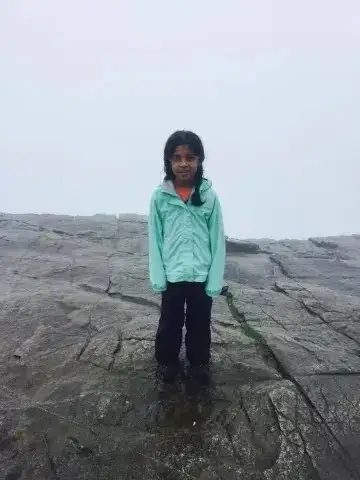
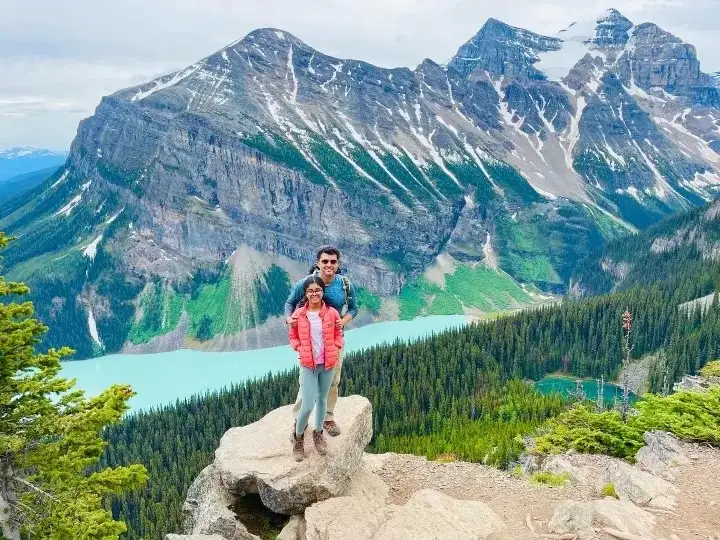
My father and I came to the joint decision to turn around once we reached 14,550 feet. It was a couple hundred feet higher than my previous best (Quandary Peak, Colorado). While it wasn’t the summit I had envisioned, it was still a milestone — a personal best!
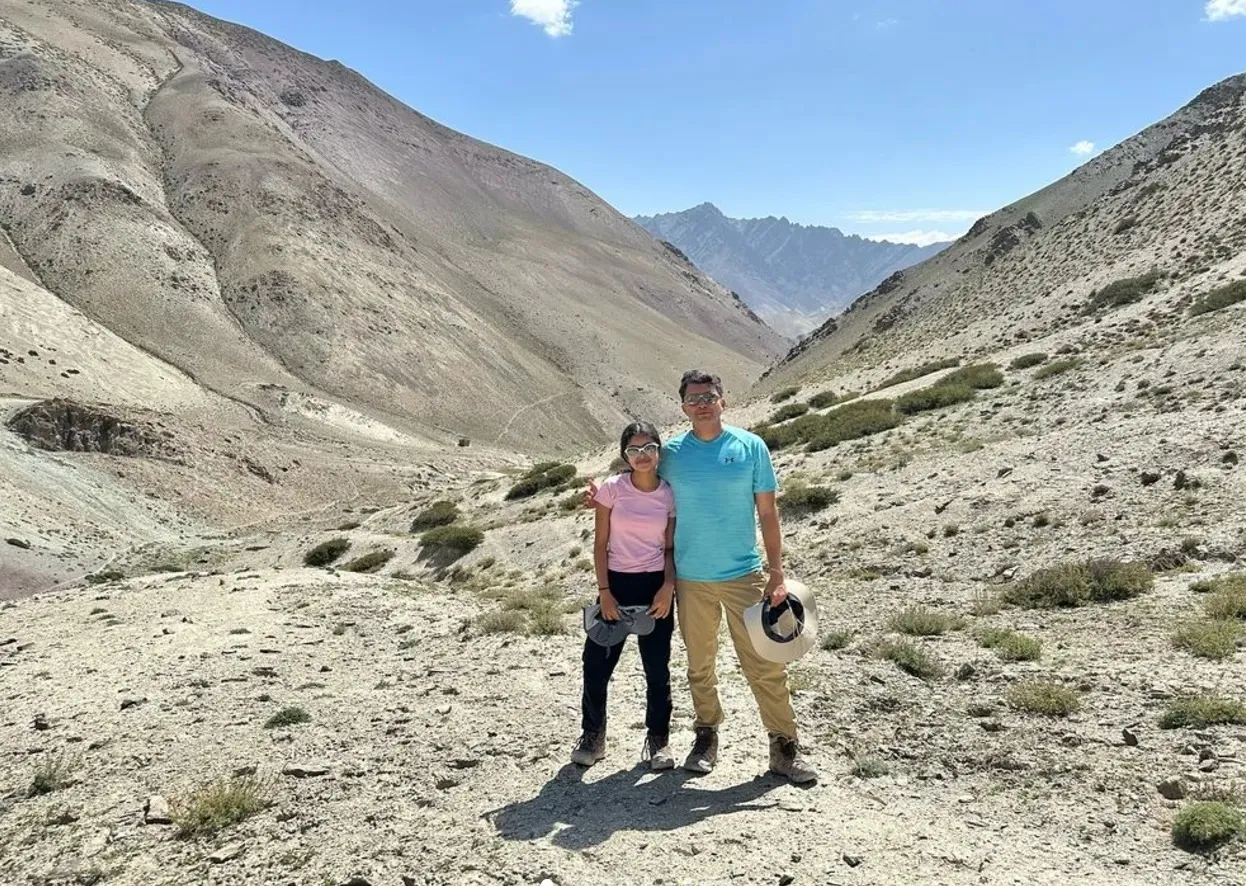 My father and I at 14,550 feet!
As I made my way down the mountain, I realized that Ganda La taught me something very important: success isn’t always about reaching the summit or achieving the exact goal you set out for. It is so important to find pride in the progress that you’ve made, even if it falls short of what you had planned. Reflecting now, I truly believe that even though I did not reach 15,000 feet, Ganda La left me with one of the most meaningful lessons I’ve ever learned.