A pilgrimage climb through crowds and summer heat to one of India's most sacred shrines, with the final kilometre walked barefoot.
One of the most unique and enriching climbs I have done to this day remains to be Vaishno Devi in the Spring. Typically, most of my climbs are motivated by the promise of great views or are trails my Dad and I have been keen on exploring for a long time. Vaishno Devi, however, was significantly different. As a Hindu, this climb holds particular significance as it is an extremely sacred place for worship for all Hindus. Nonetheless, the challenge of getting there counts as a hike in its own right.
The Vaishno Devi shrine is located in the Trikuta hills, a short drive away from the small town of Katra. Katra is approximately an hour away from the prominent city of Jammu. The climb itself is approximately a 15-mile round-trip with around 3,500 feet of elevation gain and loss. However, there are multiple ways to reach the shrine: some people opt to take a helicopter, sit up top atop horses or donkeys, or be carried in palanquins. My Dad and I, obviously chose to hike the route because we felt that making the journey on foot would be more meaningful. He also felt that it was important for me to experience this, as he does it every year, and this would be my first time.
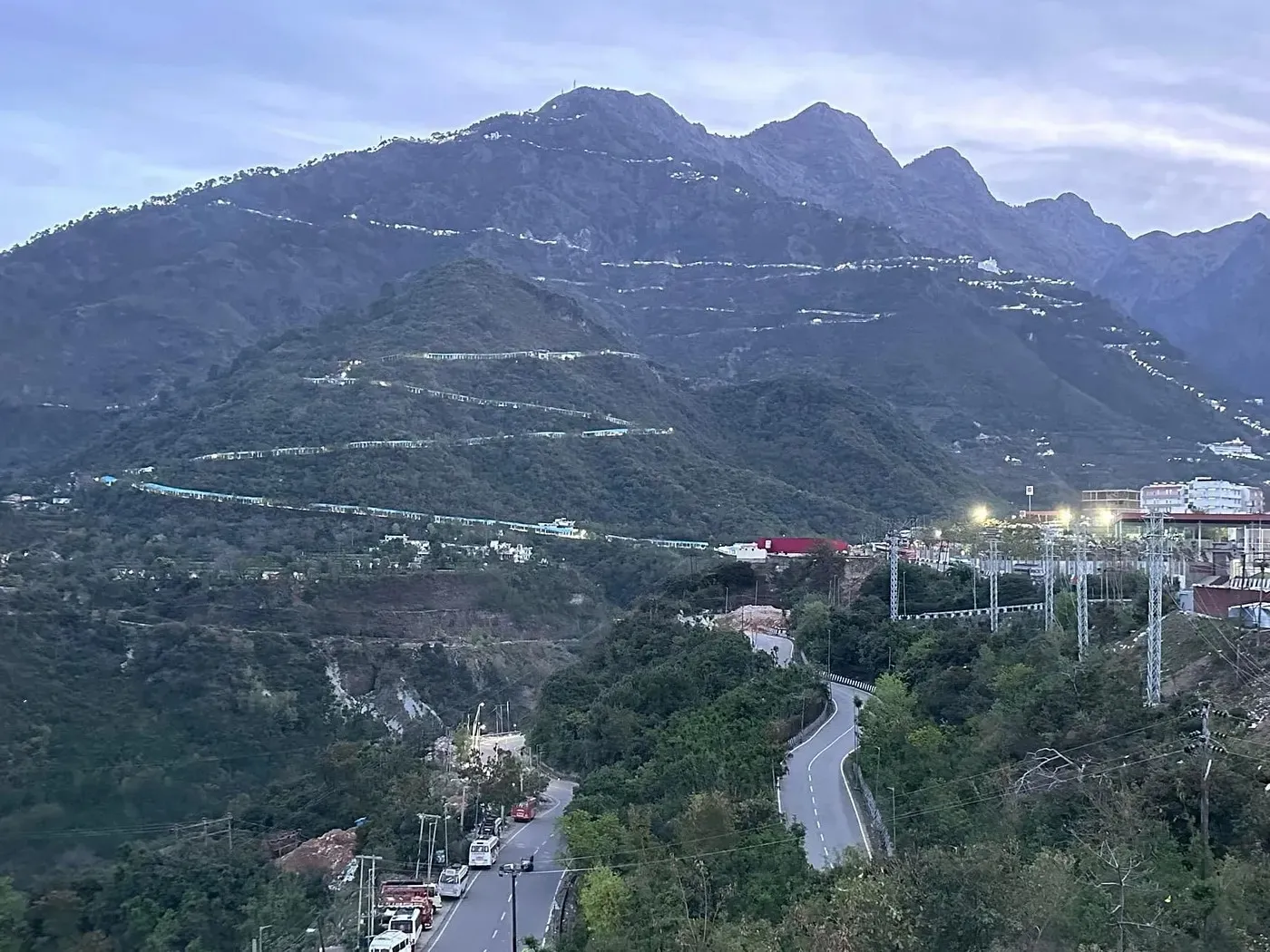 This is the view of the mountain from the surrounding town, Katra.
While the physical aspect of this climb is already difficult, the harder aspect of this climb is the atmosphere: the heat and sounds are intense, and the sheer number of people can be extremely overwhelming.
The first part of our journey involved a seemingly countless number of steps. This part of the route is incredibly crowded; with hundreds of people all squeezed into the same narrow path. Along the way, there were numerous small shacks selling refreshments, souvenirs, and other items; and many of these shacks served as little stops we would rest at every once in a while.
After approximately 4,000 stairs worth of elevation in India’s blazing heat, the two of us reached Ardhkuwari, another temple that is often considered the halfway mark to the main shrine, Vaishno Devi. Till this point, we had traveled close to four miles. Here, we stopped for a few minutes, but seeing that it was super crowded — even more so than the roads — we quickly decided to move on.
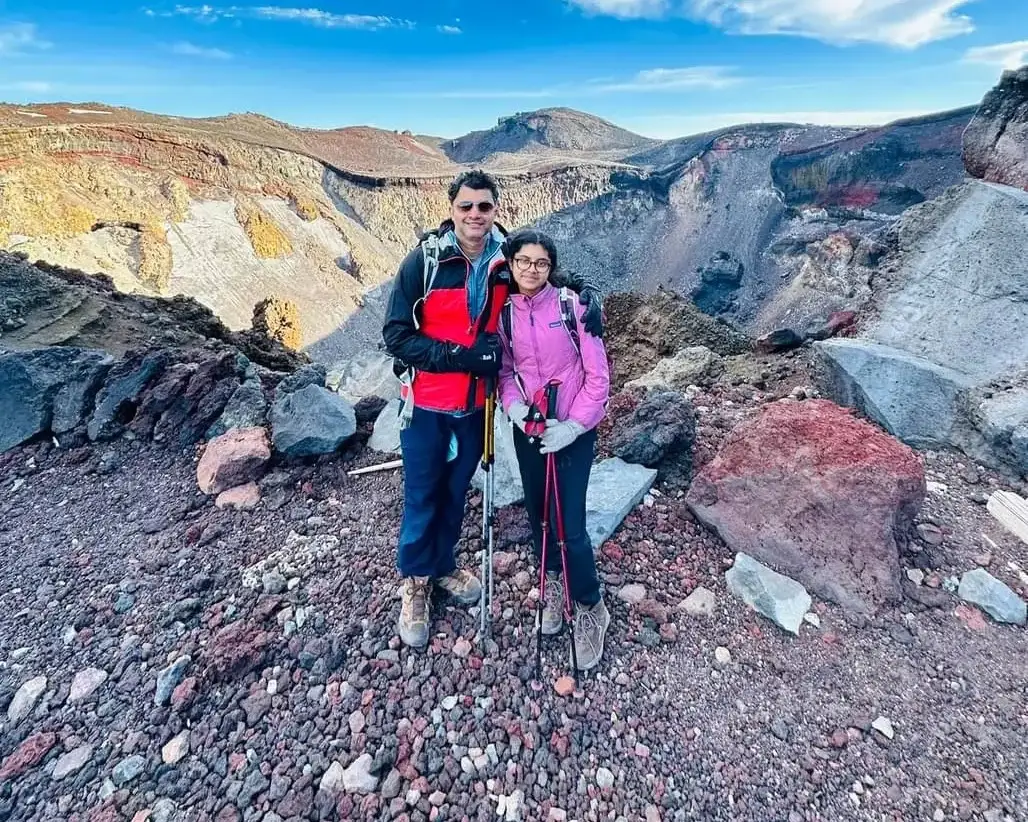
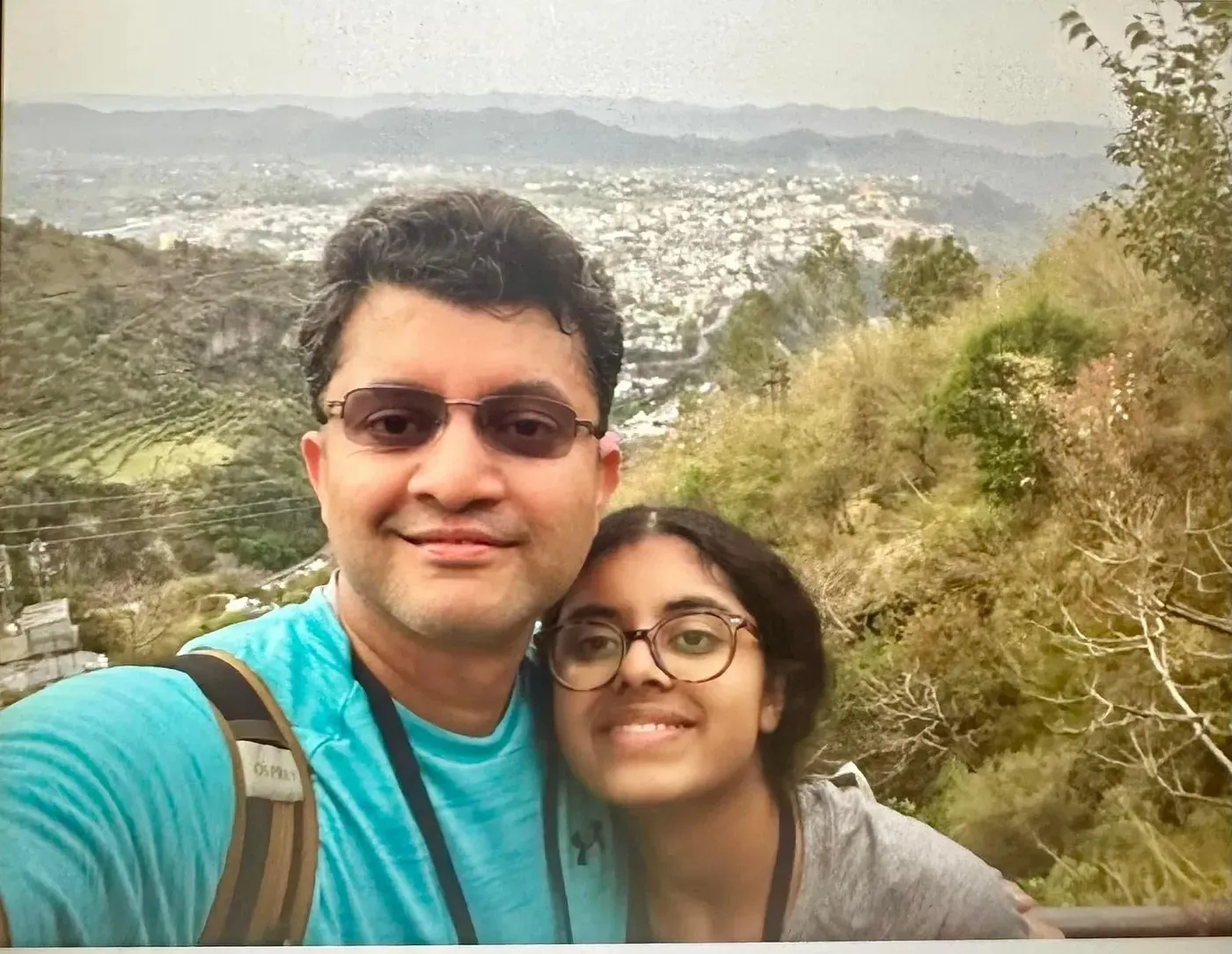 My Dad and I once after reaching Ardhkuwari.
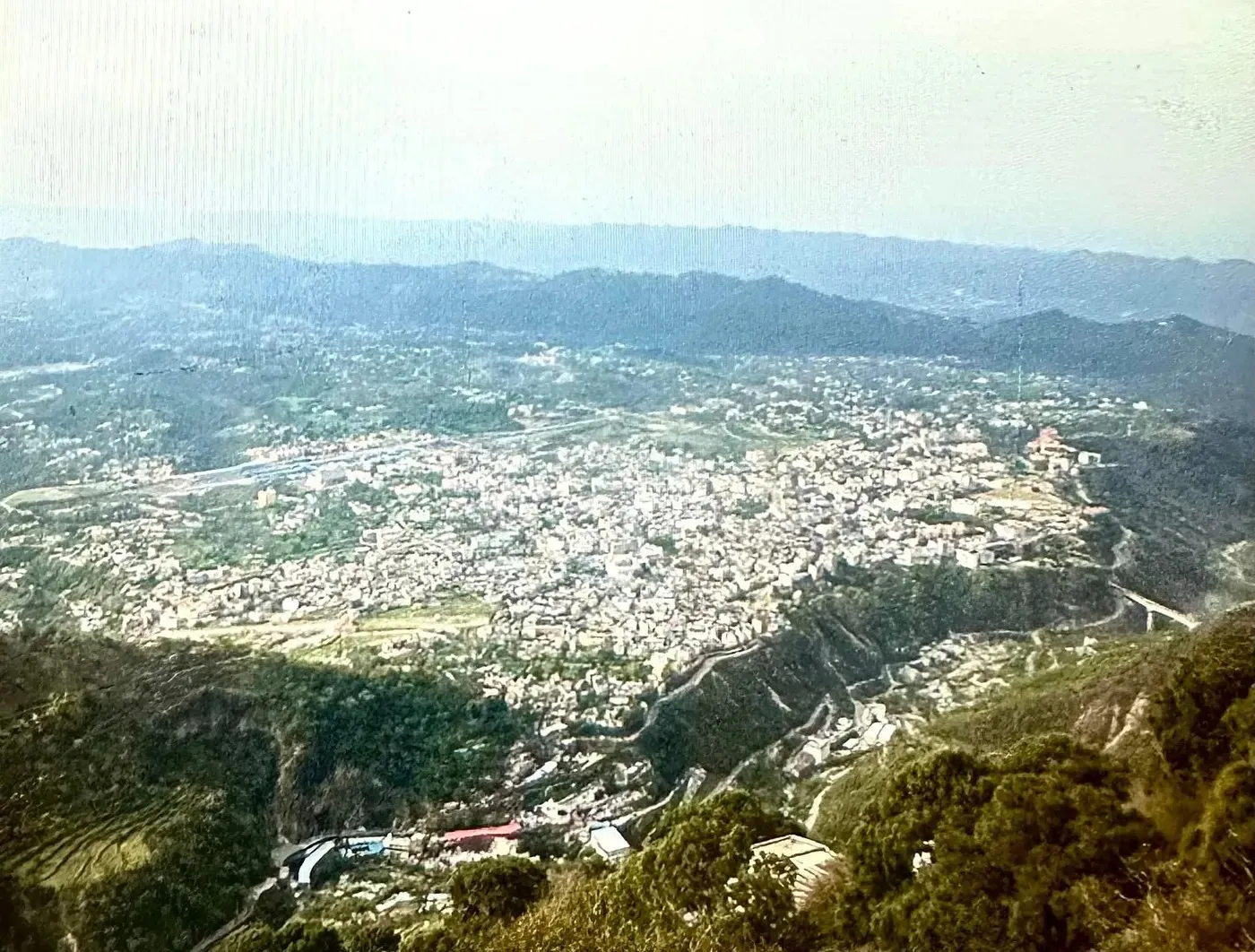
The second part of the Vaishno Devi Temple loop involved less elevation gain but covered a greater distance. The terrain leveled out: a mix of sloping walkways and the occasional steps. As we were at a higher altitude, the temperatures were significantly cooler and made the journey significantly more pleasant. However, the crowds remained constant.
As this part of the climb was significantly easier for the two of us, we reached the Bhawan in around two hours. At this point, we were required to remove our shoes as we walked the final stretch to the shrine. This lasted for about one kilometer and was extremely painful due to the rough and jagged ground.
Upon arriving near the shrine, we noticed that the lines were incredibly long: significantly more than most days, according to my Dad. We found out later that this was likely due to the auspicious nature of the particular day we were climbing. We were therefore forced to wait over an hour, jam-packed tightly with hundreds of other people as we finally made our way to the shrine. This wait was exhausting, and by the time we reached the three idols, we were only allowed a brief moment before being forced to move along quickly to make room for the next group of people.
Our descent was much easier and much faster. We were able to complete this loop in record time: approximately three and a half hours: while most people take upwards of five.
Reflecting on this climb now, I believe that this experience was very important for me to experience at least once, not just because of the physical challenge but because of the religious significance. As a Hindu, this journey allowed me to experience firsthand a very prominent tradition in Hindu culture that millions of followers attempt. This made it one of the most memorable and meaningful climbs I’ve ever done, and one I am confident I will return to year after year.